


 |
 |
 |
BASEL, Switzerland and KÖLN, Germany, August 12, 2026 / Biotech Newswire / -- The University Hospital Cologne (Universitätsklinikum Köln, UHC) has chosen the Celonic Group as its CDMO partner for advanced process development and GMP manufacturing of its monoclonal antibody targeting Pseudomonas aeruginosa, a Gram‑negative pathogen responsible for severe hospital‑acquired infections, biofilm‑driven persistence, and rising antimicrobial resistance. The antibody program is being advanced in close collaboration with the DZIF, a national, multi-institutional German research network with a unique translational infrastructure dedicated to developing innovative therapies, diagnostics, and prevention strategies for infectious diseases.
The Cologne project team is supported by the German Federal Ministry for Research, Technology and Space (BMFTR) through the GO-Bio next funding program and by ForTra gGmbH for Research Transfer (subsidiary of the Else Kröner Fresenius Foundation). In addition to financial support, the DZIF contributes substantial scientific and translational expertise through its Product Development Unit, supporting the program on its path toward clinical development.
The translational collaboration between the University Hospital Cologne and the DZIF represents a shift toward precision anti‑infective biologics designed to neutralize specific virulence mechanisms and modulate host–pathogen interactions. This targeted approach may offer new options for immunocompromised individuals facing multidrug‑resistant strains.
Celonic will execute the program across its integrated Biologics Development Center in Basel, Switzerland and its German GMP manufacturing site in Heidelberg, a facility known for high‑quality biologics production, strong regulatory alignment, and deep expertise in complex molecule manufacturing. Celonic will apply extensive experience in accelerated process development. The program will leverage Celonic’s latest‑generation Ambr® 250 perfusion-enabled, high-throughput system from Sartorius with 24 independent bioreactors, enabling high‑resolution, parallel experimentation and statistically robust design‑of‑experiments workflows allowing streamlined progression directly into pilot scale and GMP manufacturing.
Samanta Cimitan, CEO of Celonic Group, stated: “Advancing therapies for life-threatening infections requires both scientific excellence and technological expertise. The monoclonal antibody program developed by the University Hospital Cologne and DZIF represents a promising advancement that may help address an important unmet need for patients. At Celonic, we are committed to supporting its progression into the clinic with speed, precision, and reliability. Leveraging next-generation high-throughput development technologies and our GMP manufacturing capabilities in Heidelberg, Germany, we help translate innovative scientific concepts into scalable therapies. We are proud to partner on a program that has the potential to provide an important new treatment option for patients with limited therapeutic choices.”
This collaboration brings together the scientific expertise of the University Hospital Cologne, the translational capabilities of DZIF, and Celonic Group's integrated development and GMP manufacturing platform to accelerate the advancement of this innovative anti-infective antibody program toward the clinic. It also reinforces Celonic Group’s position as a leading CDMO for accelerated process development and GMP manufacturing in Switzerland and Germany.
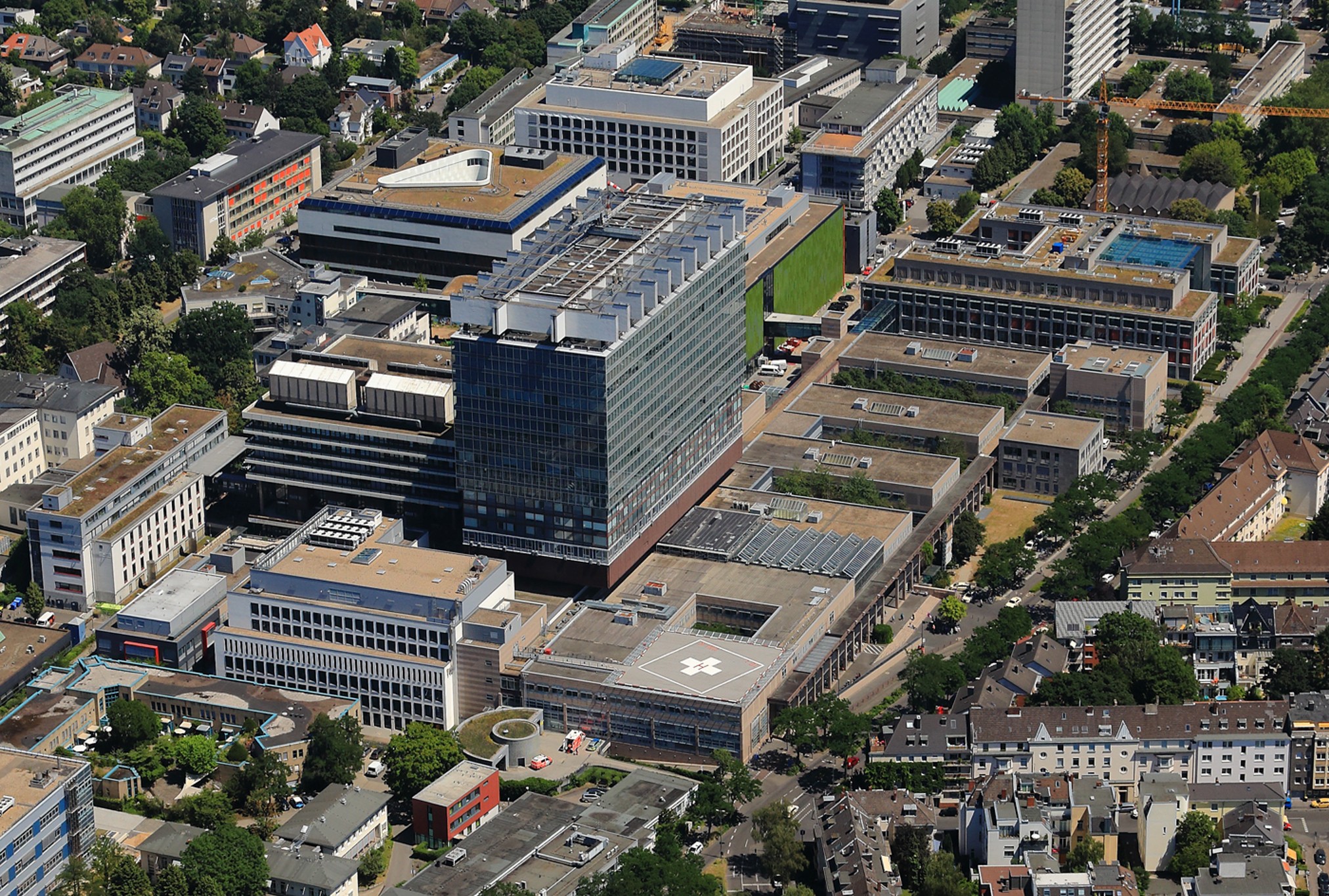
Aerial view of University Hospital Cologne (Credits: /Peter Sondermann)
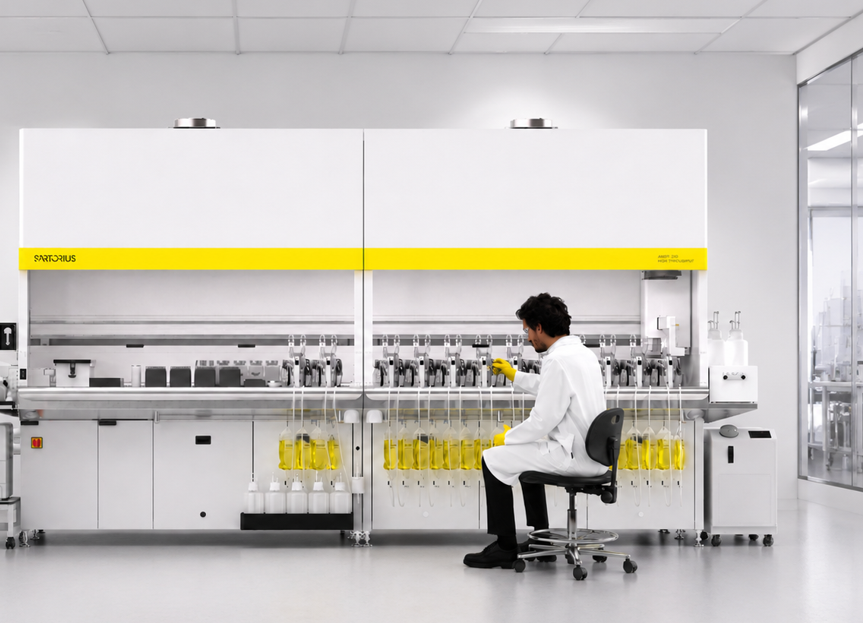
Latest generation Ambr® 250 perfusion-enabled, high-throughput system from Sartorius with 24 independent bioreactors, enabling high resolution, parallel experimentation with automated control of dissolved oxygen, pH and feeding.
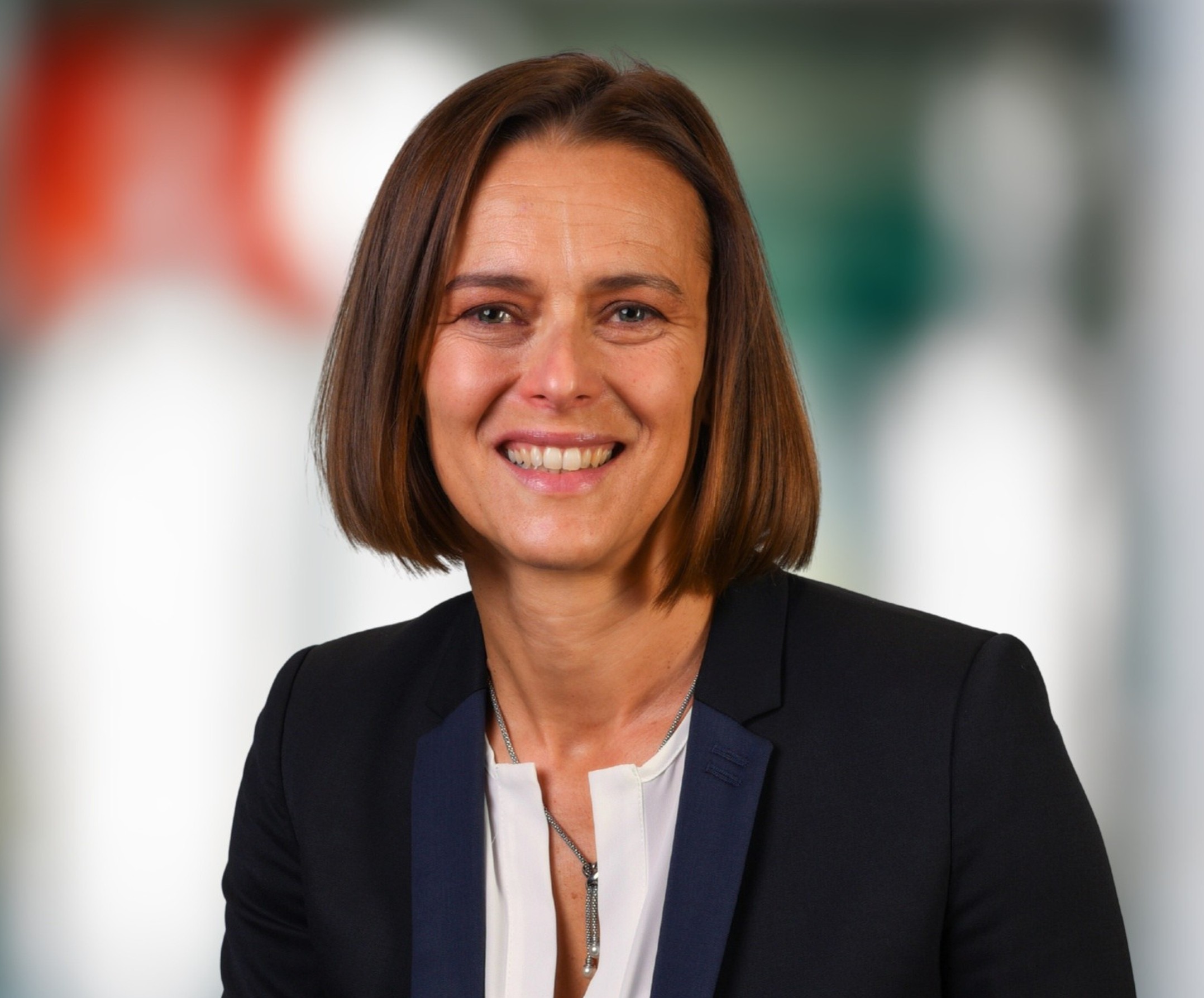
Samanta Cimitan, CEO Celonic Group
For high resolution please click the images.
AI Semantic Keywords: Pseudomonas aeruginosa; Antibodies, Monoclonal; Anti-Bacterial Agents; Gram-Negative Bacterial Infections; Cross Infection; Biofilms; Drug Resistance, Multiple, Bacterial; Immunocompromised Host; University Hospital Cologne (Universitätsklinikum Köln, UHC); German Center for Infection Research (DZIF); Celonic Group; monoclonal antibody; anti-infective antibody; antimicrobial resistance; multidrug-resistant strains; host–pathogen interactions; CDMO; process development; GMP manufacturing; biologics production; complex molecule manufacturing; Biologics Development Center; Basel, Switzerland; Heidelberg, Germany; GO-Bio next; German Federal Ministry for Research, Technology and Space (BMFTR); ForTra gGmbH for Research Transfer; Else Kröner Fresenius Foundation; Ambr® 250; Sartorius; perfusion-enabled; high-throughput system; independent bioreactors; parallel experimentation; Samanta Cimitan
About Celonic
Celonic is a “Pure Play” Biologics Contract Development Manufacturing Organization (CDMO) with significant expertise in cell culture technologies, process development and manufacturing of recombinant proteins. Celonic’s roots trace back to 1982 as a spin-off of the Max Planck Institute in Germany. Today Celonic has a state-of-the-art Biologics Development and Innovation Center in Basel, Switzerland (Headquarters), and clinical and commercial GMP manufacturing facilities in Heidelberg, Germany. This facility is equipped to handle complex biologics and bioprocessing technologies including fed-batch, N-1 perfusion and full perfusion production processes. At present, more than 500 highly qualified employees work at Celonic across the two locations.
About University Hospital Cologne (UHC)
The University Hospital Cologne is one of Germany's leading academic medical centers, combining outstanding patient care with cutting-edge biomedical research and medical education. Within UHC, the Department I of Internal Medicine and its Division of Infectious Diseases are internationally recognized for their expertise in infectious diseases, antimicrobial resistance, and translational research. Through the Translational Research Unit – Infectious Diseases (TRU-ID), researchers and clinicians work closely together in state-of-the-art laboratories to translate scientific discoveries into innovative diagnostics, vaccines, and therapies that improve patient care. The division also conducts extensive translational and clinical studies, enabling rapid progression of promising therapeutic approaches toward clinical application.
About DZIF
At the German Center for Infection Research (DZIF), more than 700 scientists from 35 institutions nationwide jointly develop new approaches for the prevention, diagnosis and treatment of infectious diseases. Their aim is to translate research results into clinical practice rapidly and effectively. With this, the DZIF paves the way for developing new vaccines, diagnostics and drugs in the fight against infections. The DZIF is one of eight centers in the German Centers for Health Research (DZG) network. Further information about the DZIF: www.dzif.de and the DZG: www.deutschezentren.de
Contact
Celonic Group
Elisa Witt
Marketing and Communications Manager
This email address is being protected from spambots. You need JavaScript enabled to view it.
+41 76 588 67 59

Source: Biotech Newswire